ImmunoOne is the Inflammation & Immunology and Immuno-Oncology division of OncoOne
ImmunoOne serves as the dedicated scientific and partnering gateway to OncoOne's oxMIF platform, assets, and technologies.
Rooted in pioneering oxMIF research and antibody engineering expertise, ImmunoOne connects innovative science with licensing and collaboration opportunities across inflammation and oncology.
While OncoOne advances its proprietary PreTarg-it® programs, ImmunoOne serves as the primary access point for partners seeking to unlock the broader potential of the oxMIF platform.
Rooted in pioneering oxMIF research and antibody engineering expertise, ImmunoOne connects innovative science with licensing and collaboration opportunities across inflammation and oncology.
While OncoOne advances its proprietary PreTarg-it® programs, ImmunoOne serves as the primary access point for partners seeking to unlock the broader potential of the oxMIF platform.
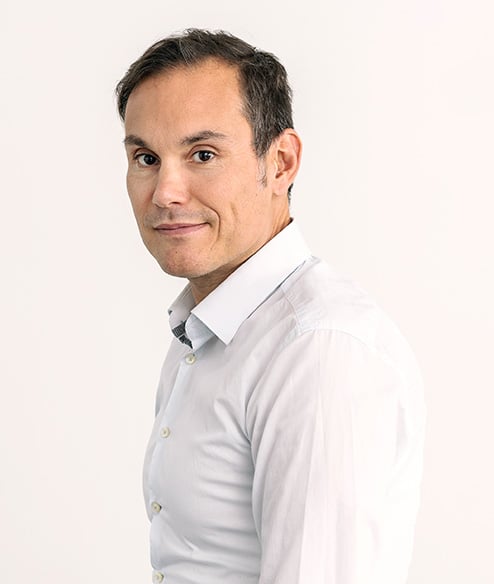
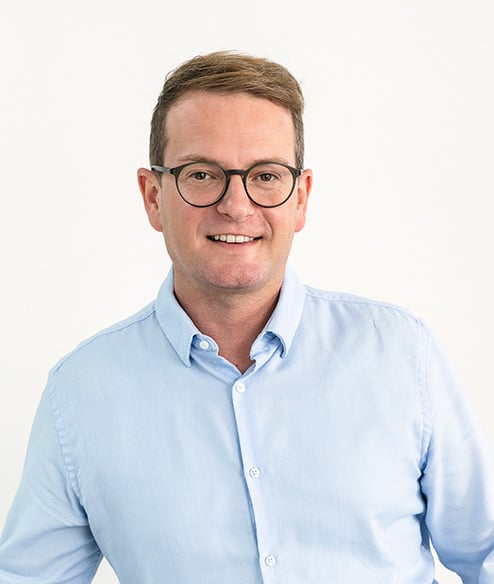
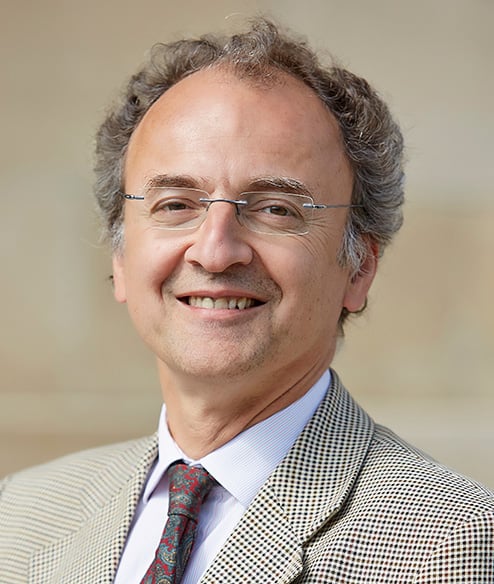
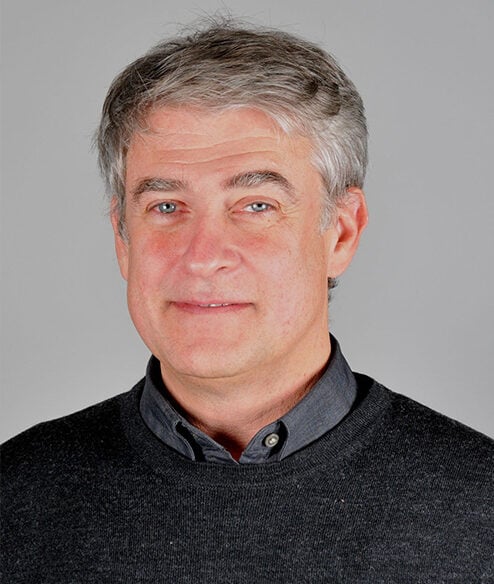
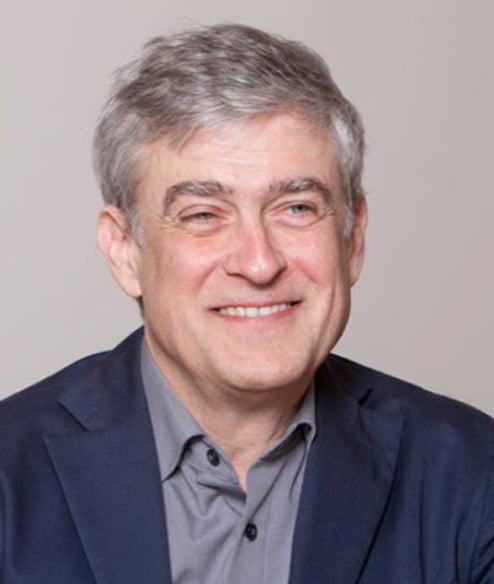
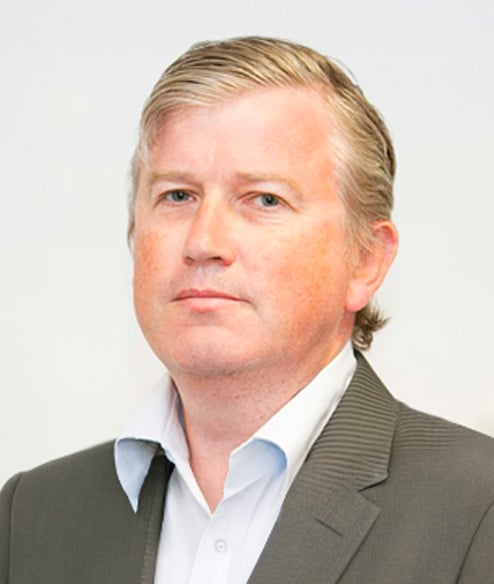
Our Founders
Randolf Kerschbaumer, PhD
Co-Founder & Chief Executive Officer
Michael Thiele, PhD
Co-Founder & Chief Scientific Officer
Alexander Schinagl, PhD
Co-Founder & Chief Technology Officer

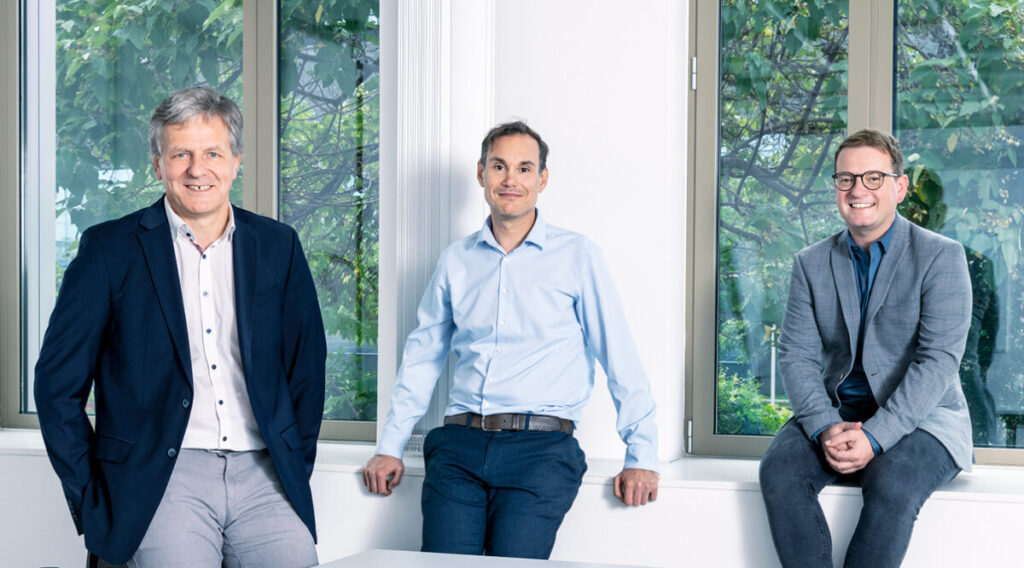
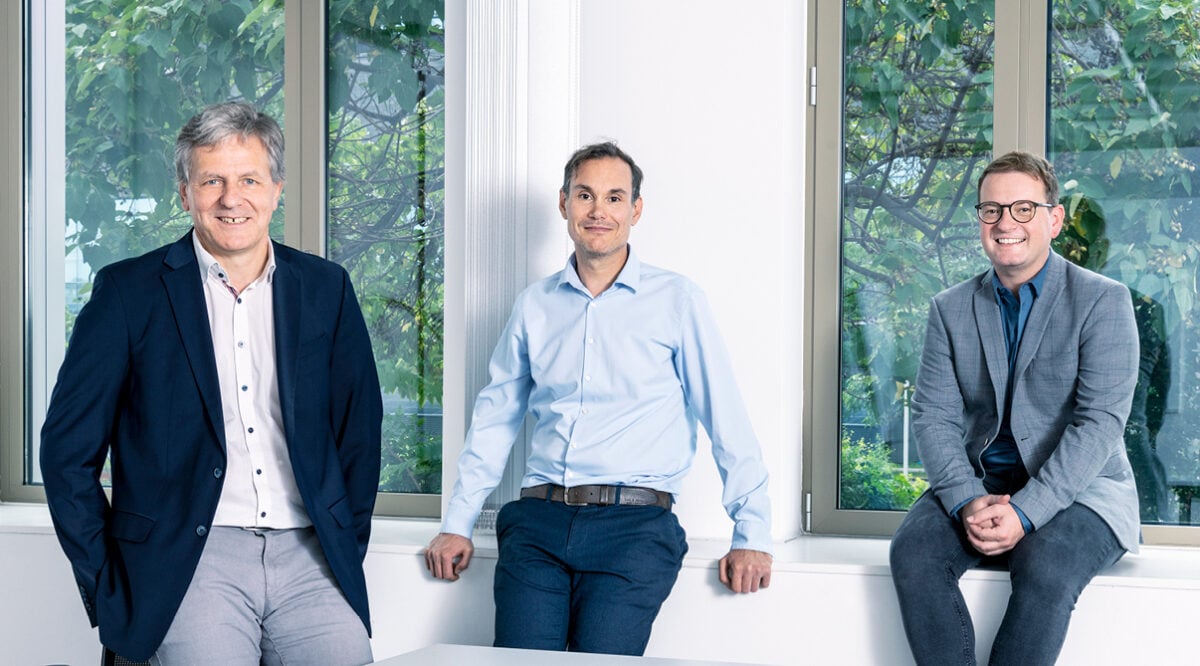
OncoOne’s founders, Randolf Kerschbaumer, Michael Thiele, and Alexander Schinagl, are the pioneers behind the discovery of oxMIF, a disease-associated isoform of MIF that enables highly selective targeting of inflammatory and cancerous tissues.
The discovery of oxMIF, combined with extensive antibody engineering expertise, forms the foundation of OncoOne’s proprietary platform and portfolio of therapeutic and diagnostic assets, enabling partners to advance differentiated programs in inflammation and cancer.
Leadership
Leadership Team
Randolf Kerschbaumer, PhD
Co-Founder & Chief Executive Officer
Randolf Kerschbaumer, PhD
Co-Founder & Chief Executive Officer
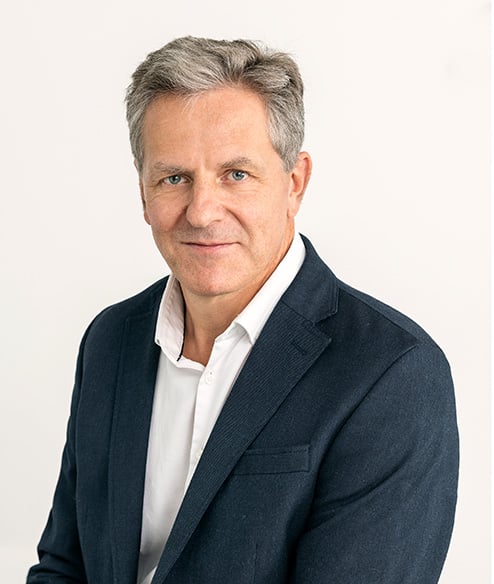
Dr. Randolf Kerschbaumer, CEO and Co-Founder of OncoOne, brings over 25 years of experience from academia and big pharma R&D to the company. His comprehensive understanding of the drug development process, from early screening through to clinical trials, has been pivotal in shaping OncoOne's success. Under his leadership, OncoOne has expanded its reach globally and established a subsidiary in the USA. Randolf's intellectual curiosity, passion for science, and entrepreneurial drive allow him to effectively merge scientific innovation with strategic business planning. Before founding OncoOne, Randolf held several senior-level positions in R&D, focusing on therapeutics for cancer, inflammation, and hematologic disorders. He started his professional career at Baxter BioScience, progressing to senior leadership roles such as Head of Antibody Technology at Baxalta and Head of Oncology Research at Shire. His work has significantly contributed to the discovery and progression of antibody-based drug modalities with therapeutic potential from concept to Phase II clinical studies. Randolf earned his PhD in Biotechnology from the Vienna University of Natural Resources and Life Sciences (BOKU).
Michael Thiele, PhD
Co-Founder & Chief Scientific Officer
Michael Thiele, PhD
Co-Founder & Chief Scientific Officer
Michael, Co-Founder and Chief Scientific Officer (CSO) at OncoOne, has over two decades of expertise in immunology, tumor biology, biomarker discovery, and the development of biologics. As the CSO, he leads the company's strategic direction and drives the innovative PreTarg-it® platform, which aims for targeted delivery of therapies directly to tumor sites. Michael's profound knowledge of cell biology and his extensive global scientific connections enable him to establish and maintain strong partnerships with top experts in the field. Before establishing OncoOne, he led the Department of Cell Biology in Oncology Research at Shire. Earlier in his career, Michael held progressively senior roles at Baxter BioScience and its successor, Baxalta, collaborating with leading academics and industry leaders. Michael's significant contributions to medical science include recognizing oxMIF as a key therapeutic target, which marks a crucial advance in the creation of new therapies for autoimmune and chronic inflammatory conditions. Michael has been instrumental in advancing the first-generation anti-oxMIF antibody, imalumab, from early-stage research to phase II clinical trials. He obtained his PhD in Biology from the Rheinisch-Westfälische Technische Hochschule (RWTH) Aachen, where he investigated tumor-promoting and pro-inflammatory properties of MIF.
Alexander Schinagl, PhD
Co-Founder & Chief Technology Officer
Alexander Schinagl, PhD
Co-Founder & Chief Technology Officer
Alexander Schinagl, Co-Founder and Chief Technology Officer at OncoOne, plays a pivotal role in the company's antibody design and engineering programs. In addition, he provides IP counsel to ensure robust patent protection. Alexander demonstrated exceptional scientific leadership in over 15 years of experience in the biotechnology and pharmaceutical industries, where he has acquired a profound background in antibody engineering, drug discovery, development, and translational research. Before joining OncoOne, he was a Manager of R&D in Oncology Research at Shire where he led projects on antibodies and antibody-drug conjugates targeting oncological and hematologic disorders. Prior to that, he served in various positions with increasing levels of responsibility at Baxter BioScience and its successor, Baxalta, where Alexander significantly contributed to the development of the first generation of anti-oxMIF antibody, imalumab, supporting the progression from discovery through Phase II studies in various capacities. Alexander earned his PhD in biotechnology through an industry collaboration with Baxter BioScience and Baxalta from the University of Natural Resources and Life Sciences (BOKU) in Vienna.
Scientific Advisory Board
Prof. Michael Freissmuth, MD
Medical University Vienna, AT
Prof. Michael Freissmuth, MD
Director at Centre of Physiology & Pharmacology at Medical University Vienna
Dr. Freissmuth is the Director of the Center of Physiology & Pharmacology as well as the Chairman of the Institute of Pharmacology at the Medical University in Vienna. He was appointed Professor of Pharmacology in 1995 and received many awards, including the Novartis Award for Medicine. Dr. Freissmuth is a member of numerous editorial boards and serves on several review panels and scientific advisory boards. His most recent appointments include positions on international panels such as the Scientific Advisory Board of the Institut Cochin de Génétique Moléculaire in Paris and of the Engelhorn Foundation for Life Sciences. He is also a member of the supervisory board of Boehringer Ingelheim Austria. Dr. Freissmuth is an inaugural member of OncoOne’s scientific advisory board, where he continues to support the development of the company’s pipeline of biotherapeutics.
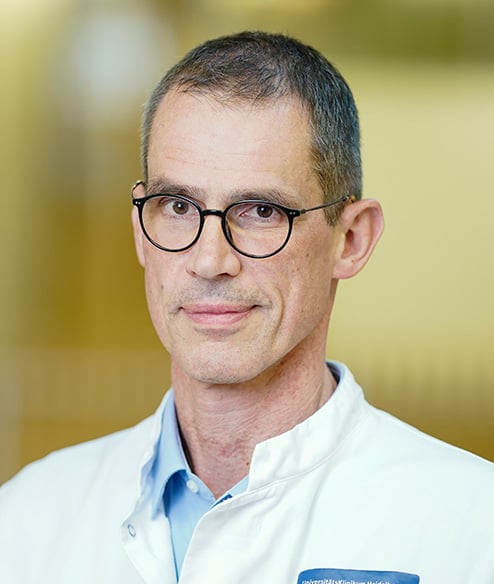
Prof. Dirk Jäger, MD
National Center for Tumor Diseases (NCT) Heidelberg, DE
Prof. Dirk Jäger, MD
Managing Director National Center for Tumor Diseases (NCT) Heidelberg
Dr. Jäger is Managing Director of the National Center for Tumor Diseases (NCT) Heidelberg and Medical Director of the Medical Oncology Department at Heidelberg University Hospital, where he is responsible for the clinical research area representing all oncological departments. The main focus of his department is the translation of innovative treatment options into early clinical trials. Since 2005, Dr. Jäger has been head of the research laboratory for tumor immunology at the NCT and focuses on cancer immunotherapy. He also leads the Clinical Cooperation Unit of Applied Tumor Immunity and has received the Investigator Award from the Cancer Research Institute in New York.
Prof. em. Florian Rüker, PhD
University of Natural Resources and Life Sciences, AT
Prof. em. Florian Rüker, PhD
Former Head of the Department of Biotechnology at the University of Natural Resources and Life Sciences Vienna
Dr. Florian Rüker is an Associate Professor and was Deputy Head of the Department of Biotechnology and Head of the Institute of Molecular Biotechnology at the University of Natural Resources and Life Sciences, Vienna (BOKU), encompassing a team of more than 230. He is a co-founder of F-star and co-inventor of F-star’s core Modular Antibody Technology, which allows for the generation of antigen-binding sites in constant domains of immunoglobulins. Dr. Rüker serves F-star as a Scientific Advisor. He also founded the Christian Doppler Laboratory (CD-Lab) for Antibody Engineering at BOKU, where he acted as co-head. Subsequently, he supported the establishment of the CD-Lab for Innovative Immunotherapeutics in collaboration with F-star and Merck KGaA, where he acts as Scientific Advisor.
Prof. Seamas Donnelly, MD
Trinity College Dublin, IRE
Prof. Seamas Donnelly, MD
Professor & Head of Medicine at the Trinity College Dublin and Hon. Professor in Translational Medicine of the University of Edinburgh
Dr. Seamas Donnelly is a Professor of Medicine at Trinity College Dublin. He is a global leader in translational medicine with a research focus on the development of novel compounds as anti-inflammatory/anti-cancer therapies. He has authored many MIF-focused publications in renowned peer-reviewed journals, including Nature Medicine and Molecular Medicine. Dr. Donnelly’s research epitomizes classical bench to bedside on an international scale, and, in recognition of this, has been awarded an Honorary Professorship in Translational Medicine by the University of Edinburgh. He is the current President of the Association of Physicians of Great Britain & Ireland, the leading academic medical association in the UK and Ireland. Dr. Donnelly is also the lead Trinity PI of Health Innovation Hub Ireland and has been a member of OncoOne’s scientific advisory board since 2022.
Prof. Jennifer Guerriero, PhD
Harvard Medical School, US
Prof. Jennifer Guerriero, PhD
Assistant Professor, Harvard Medical School and Director of the Breast Tumor lmmunology Laboratory at the Dana Farber Cancer Institute.
Dr. Jennifer Guerriero is an Assistant Professor of Surgery at Harvard Medical School and Lead Investigator at Brigham and Women’s Hospital, Division of Breast Surgery, Department of Surgery. She also serves as the Director of the Breast Tumor Immunology Laboratory at the Dana-Farber Cancer Institute. Dr. Guerriero’s research interests include harnessing the anti-tumor potential of tumor-associated macrophages for cancer immunotherapy in breast cancer. Her group studies the role of tumor associated macrophages both in promoting tumorigenesis as well as how to harness macrophages for cancer therapy. The major goals of Dr. Guerriero’s work are to elucidate the molecular and functional regulation of tumor macrophage phenotype and subsets, identify how tumor macrophages inhibit T cell function and limit the effectiveness of immunotherapy and identify novel strategies to target macrophages therapeutically. Dr. Guerriero completed her postdoctoral training at Dana-Farber Cancer Institute where she investigated the role of tumor macrophages in breast cancer and identified novel mechanisms to target pro-tumor macrophages to an anti-tumor phenotype to induce tumor regression. Dr. Guerriero also serves on the board for the Society for Immunotherapy of Cancer.
Prof. Robert A. Mitchell, MD
University of Louisville, US
Prof. Robert A. Mitchell, MD
Professor in the Department of Surgery and a member of the Division of lmmunotherapy at the University of Louisville.
Dr. Robert Mitchell is a tenured Professor in the Department of Surgery and a member of the Division of Immunotherapy at the University of Louisville. He has joint/associate appointments in the Departments of Microbiology & Immunology and Biochemistry & Molecular Genetics. His research is concentrated on the study of immune tolerance in tumor biology. Specifically, his work focuses on the macrophage migration inhibitory factor (MIF) family of cytokines and their independent and coordinated influences on myeloid lineage-dependent T cell suppressive mechanisms which govern tumor-associated immune evasion and subsequent disease progression. He and his laboratory have developed numerous patented pharmaceutical agents that are designed to treat malignant and nonmalignant diseases and they are currently evaluating whether these compounds have a specific role in governing MIF-dependent mitochondrial homeostasis that dictates myeloid cell immune suppression.